Our Vision
Empowered communities living in healthy ecosystems.
Loading

promoting ecological justice through research, advocacy, and community empowerment, focusing on environmental sustainability, food sovereignty, and the rights of indigenous peoples.
Empowered communities living in healthy ecosystems.
To enhance resilience of ecological systems and community livelihoods using diverse knowledge systems.
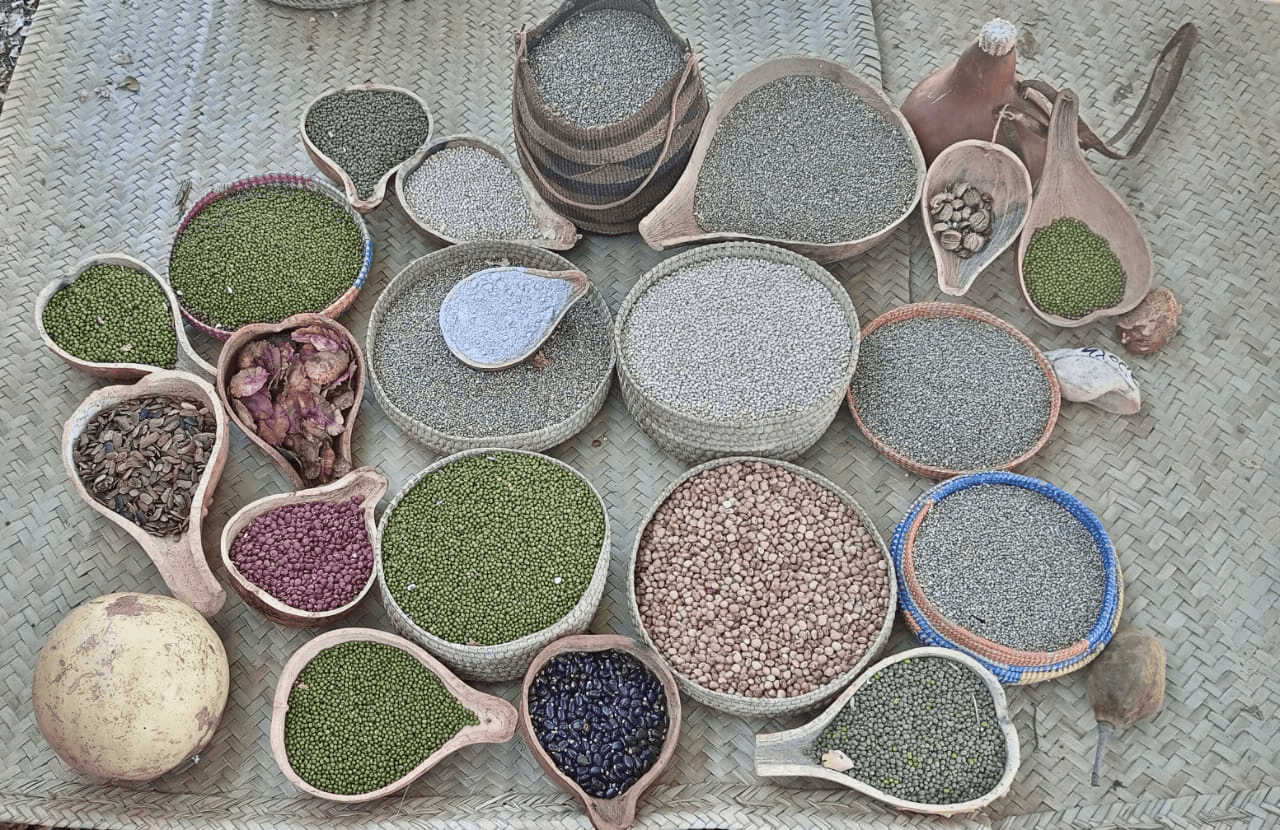
ICE uses a blend of approaches to ensure effective and efficient delivery of this strategic plan. It harnesses indigenous and other diverse knowledge systems to advance its initiatives on natural resource management (NRM) and food sovereignty.
ICE applies the ecosystem approach to ensure that all components of the ecosystem — including people and their cultural diversity — are incorporated for sustainable management.
We apply an environmental and climate change lens and adopt the ecosystem-based adaptation approach to ensure that the ecosystem services supporting community production systems are protected and enhanced.
This considers the role of biodiversity in food systems to support resilient production systems, livelihoods, dietary diversity, and nutritional outcomes.
Given the prevailing climate change conditions, ICE employs Community-Managed Disaster Risk Reduction to minimize socio-economic and environmental vulnerabilities and to enhance communities’ absorptive, adaptive, and transformative capacities.
ICE integrates the Human Rights-Based Approach in designing and implementing its programs. All projects employ a bottom-up approach to ensure that the felt needs and priorities of communities are effectively addressed.
ICE remains a learning catalyst, facilitator of change processes, and promoter of sustainable interventions. To deliver this plan, ICE focuses on mobilizing financial and human resources through strategic partnerships with development partners, county and national governments, regional networks, research institutions, other like-minded organizations, and local communities.